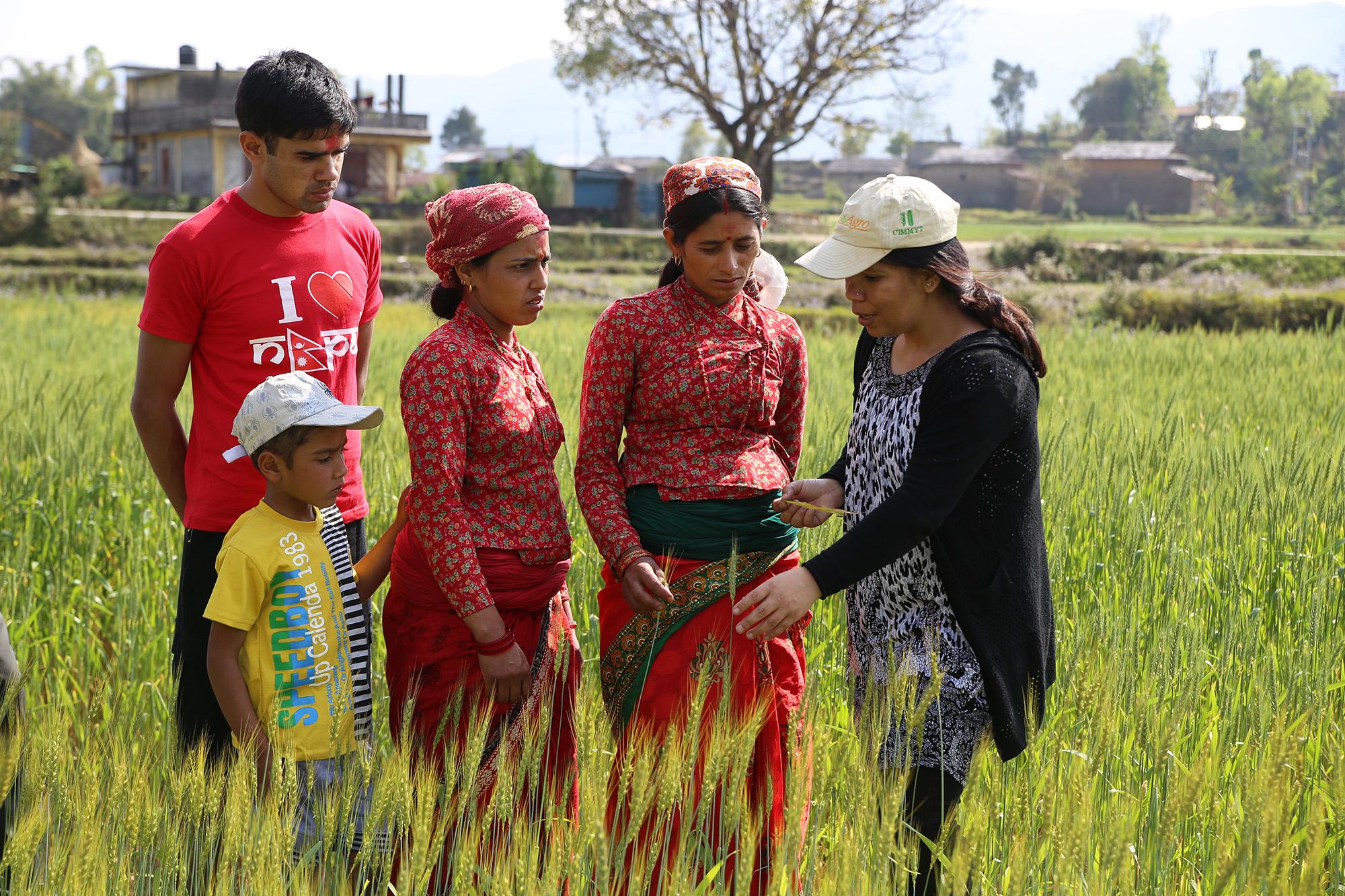
The Agriculture Officer Loksewa examination is one of the most competitive government examinations in Nepal for agriculture graduates. Every year, thousands of candidates compete for limited vacancies announced by the Public Service Commission (Lok Sewa Aayog).
If you have completed B.Sc. Agriculture, Agricultural Science, or an equivalent degree recognized by the Government of Nepal, becoming an Agriculture Officer can provide an excellent government career with attractive salary, job security, promotion opportunities, and the chance to contribute to Nepal’s agricultural development.
This guide covers everything you need to know, including eligibility, syllabus, exam pattern, preparation tips, recommended books, salary, and career prospects.
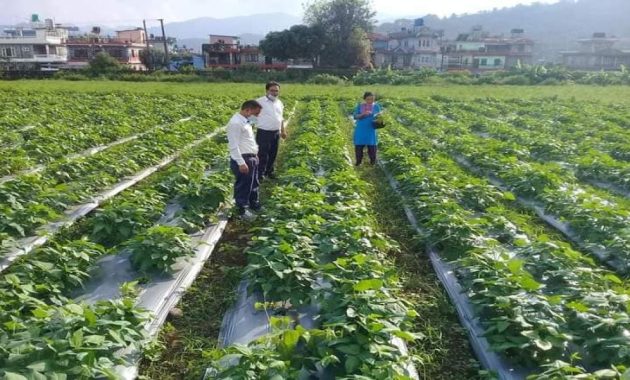
What is Agriculture Officer Loksewa?
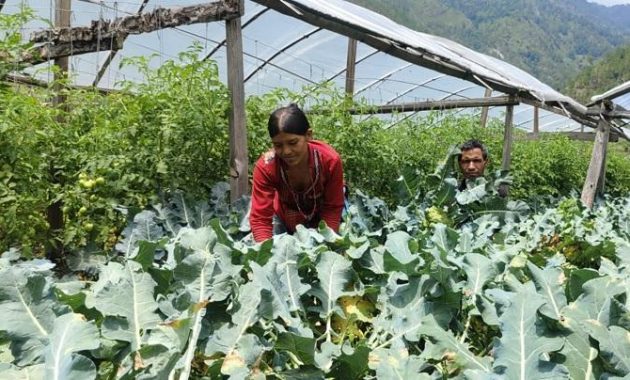
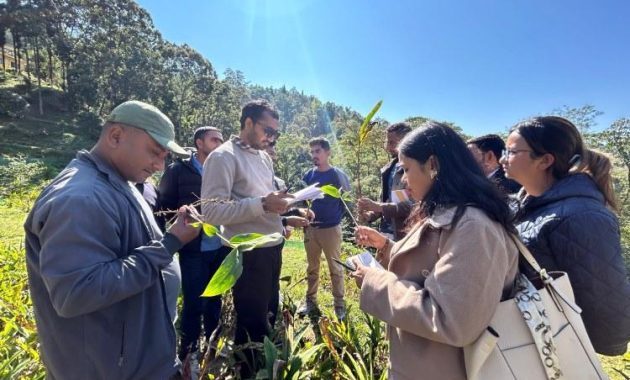
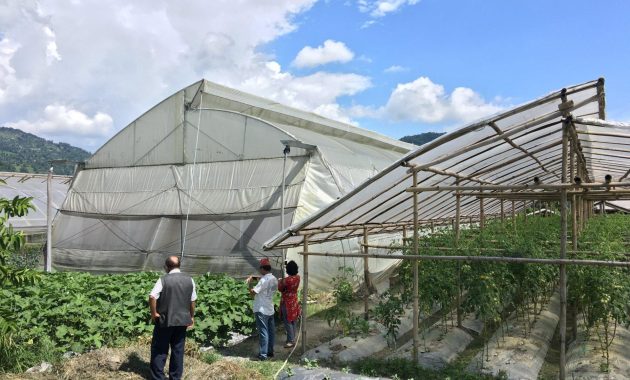
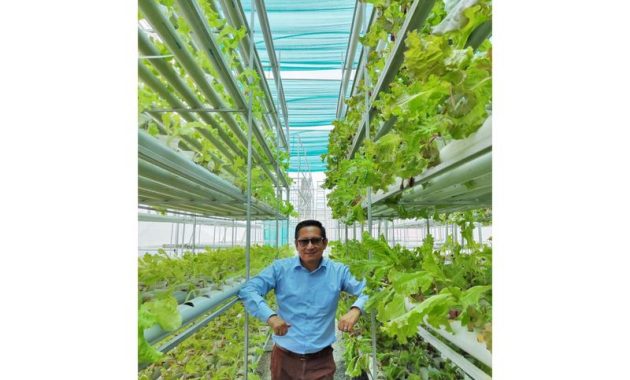
An Agriculture Officer is a government officer responsible for planning, implementing, monitoring, and evaluating agricultural development programs throughout Nepal.
Agriculture Officers work under:
- Ministry of Agriculture and Livestock Development
- Provincial Ministries
- Local Government Offices
- Agriculture Knowledge Centers
- Research Institutions
- Seed and Plant Protection Offices
- Agricultural Extension Services
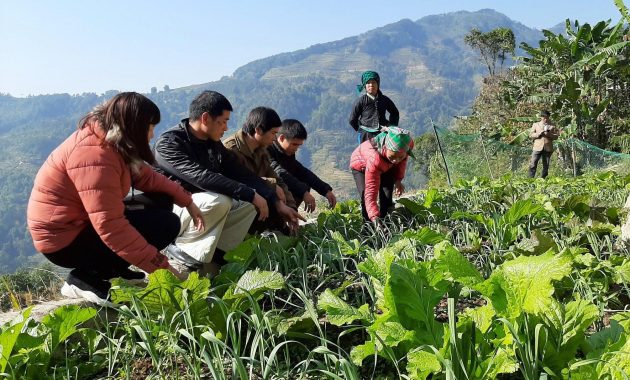
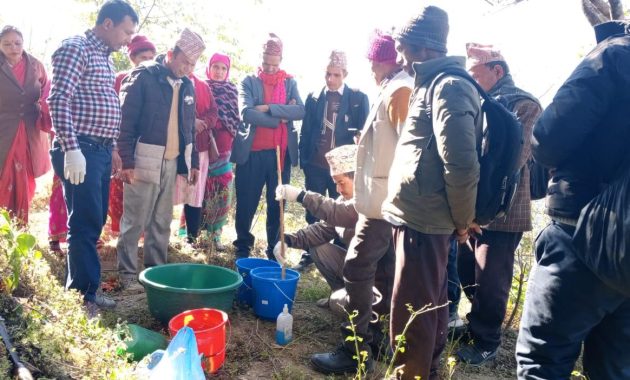
They help farmers improve productivity through modern farming technologies, training programs, and government agricultural policies.
Eligibility for Agriculture Officer Loksewa
Generally, candidates should meet the following criteria:
Educational Qualification
Candidates must have:
- Bachelor’s Degree in Agriculture (B.Sc. Agriculture)
- Equivalent Agriculture Degree recognized by the Government of Nepal
Age Limit
Normally:
- Minimum Age: 21 Years
- Maximum Age:
- 35 Years (Male)
- 40 Years (Female & Disabled)
Age criteria may vary according to the vacancy notice.
Agriculture Officer Loksewa Syllabus
Although the syllabus may change depending on the advertised post, the major subjects usually include:
1. General Knowledge
- Nepal Geography
- Constitution of Nepal
- Agriculture Policies
- Current Affairs
- International Organizations
2. Agriculture Science
Important topics include:
Agronomy
- Crop Production
- Cropping System
- Soil Fertility
- Irrigation
- Weed Management
Soil Science
- Soil Classification
- Soil Chemistry
- Soil Physics
- Soil Fertility
- Organic Farming
Plant Breeding
- Hybridization
- Selection Methods
- Seed Production
- Biotechnology
Horticulture
- Fruit Science
- Vegetable Science
- Floriculture
- Spice Crops
Plant Pathology
- Plant Diseases
- Disease Management
- Fungicides
- Bacterial Diseases
Entomology
- Crop Insects
- Integrated Pest Management (IPM)
- Biological Control
Agricultural Economics
- Farm Management
- Agricultural Marketing
- Agricultural Finance
- Cost-Benefit Analysis
Agricultural Extension
- Extension Education
- Communication
- Rural Development
- Farmer Training
Statistics
- Mean
- Median
- Probability
- Sampling
- Correlation
- Regression
Agriculture Officer Exam Pattern
Generally, the examination includes:
First Paper
Objective Questions (MCQ)
- General Knowledge
- Agriculture Science
- Current Affairs
Second Paper
Subjective Questions
- Technical Agriculture
- Problem Solving
- Case Studies
Interview
Candidates passing written examinations are invited for interviews.
Best Preparation Strategy
1. Read the Official Syllabus
Never prepare randomly.
Study according to the latest syllabus.
2. Solve Previous Questions
Previous question papers help you understand:
- Frequently asked topics
- Difficulty level
- Time management
3. Make Short Notes
Prepare concise notes for:
- Soil Science
- Agronomy
- Plant Protection
- Agricultural Economics
Revision becomes much easier.
4. Stay Updated
Read daily:
- Agriculture News
- Government Policies
- Budget
- Current Affairs
- International Agricultural Developments
5. Practice Writing Answers
For subjective papers:
- Use headings
- Draw diagrams
- Write in point format
- Include practical examples
Best Books for Agriculture Officer Loksewa
Recommended resources include:
General
- Constitution of Nepal
- Current Affairs
- General Knowledge Compilations
Technical
- Agronomy Textbooks
- Soil Science
- Plant Pathology
- Entomology
- Agricultural Economics
- Horticulture
- Extension Education
- Seed Technology
Also solve as many previous Loksewa questions as possible.
Skills Required
Successful Agriculture Officers usually possess:
- Leadership
- Communication
- Report Writing
- Data Analysis
- Farmer Training
- Agricultural Planning
- Problem Solving
- Team Management
Job Responsibilities
Agriculture Officers perform responsibilities such as:
- Preparing agricultural development plans
- Monitoring government projects
- Conducting farmer training
- Crop inspection
- Disease diagnosis
- Seed quality monitoring
- Extension services
- Agricultural research coordination
- Budget planning
- Reporting progress
Salary and Benefits
Agriculture Officers receive:
- Government salary according to prevailing pay scales
- Dearness allowance
- Pension (as applicable)
- Medical facilities
- Festival allowance
- Promotion opportunities
- Training opportunities
- Job security
Actual salary depends on the current government pay structure.
Career Opportunities
After becoming an Agriculture Officer, promotion opportunities may include:
- Senior Agriculture Officer
- Chief Agriculture Officer
- Division Chief
- Provincial Director
- Ministry-Level Technical Officer
Experience and performance play significant roles in career advancement.
Common Mistakes to Avoid
Many candidates fail because they:
- Ignore the official syllabus
- Skip previous question practice
- Focu;s only on theory
- Neglect current affairs
- Do not revise regularly
- Practice insufficient answer writing
Avoiding these mistakes can significantly improve your performance.
Read Also: Krishi Dairy 2083 PDF Free Download – Complete Agriculture Diary 2026 for Nepal Farmers
Frequently Asked Questions (FAQs)
Is B.Sc. Agriculture required for Agriculture Officer Loksewa?
Yes. Most Agriculture Officer positions require a Bachelor’s degree in Agriculture or an equivalent recognized qualification.
Is the Agriculture Officer exam difficult?
It is competitive, but with a structured study plan, consistent practice, and revision, it is achievable.
Which subject carries the highest weight?
Technical Agriculture subjects generally carry the greatest weight in the written examination.
Should I study previous question papers?
Absolutely. Previous papers help identify important topics and improve exam confidence.
Can fresh graduates apply?
Yes, provided they meet the educational qualification and age requirements mentioned in the vacancy notice.
Final Thoughts
The Agriculture Officer Loksewa examination offers an excellent opportunity for agriculture graduates seeking a stable and rewarding government career in Nepal. Success requires disciplined preparation, mastery of technical agriculture, awareness of current affairs, and consistent practice with previous examination papers.
